


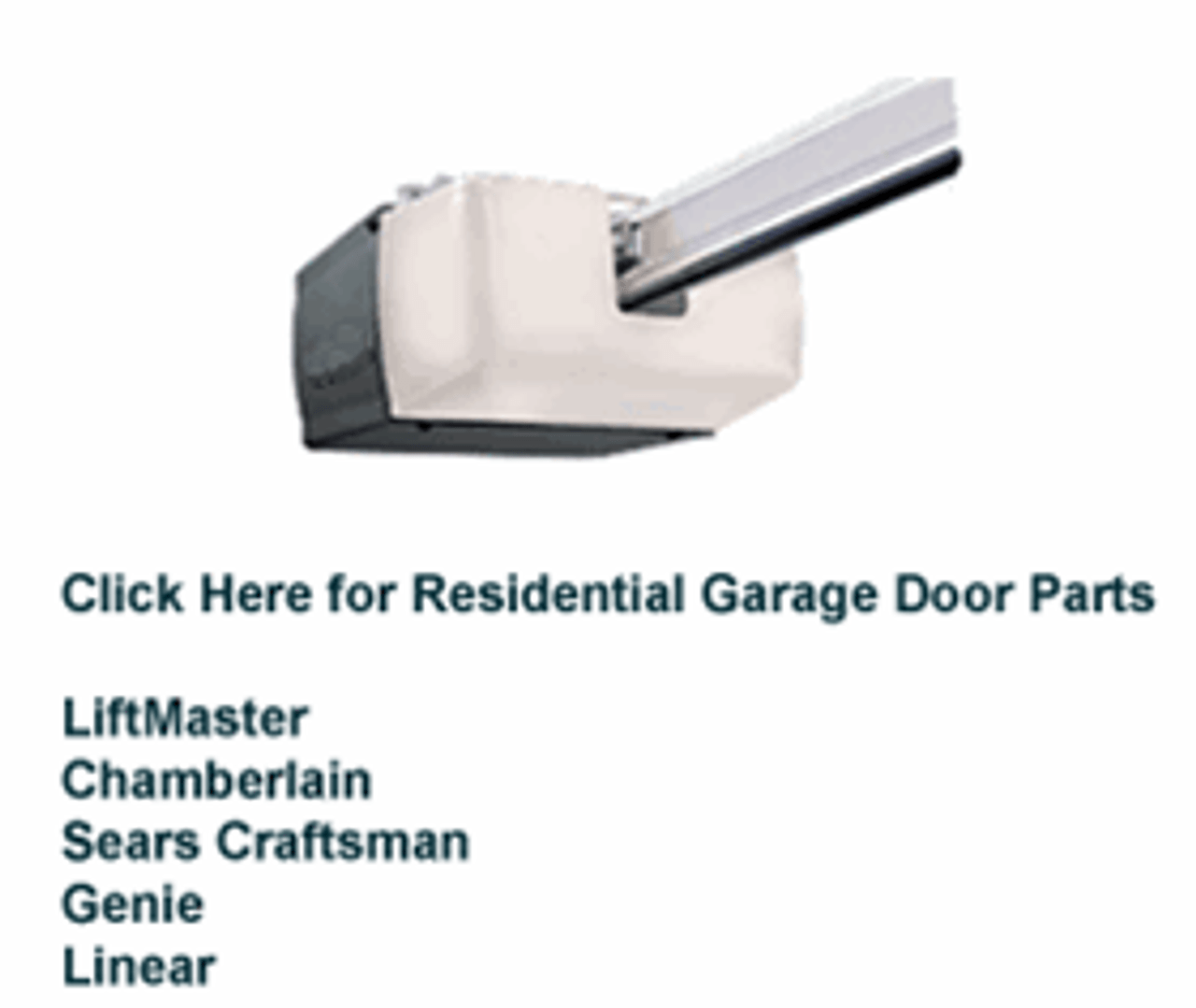
Garage Door Opener Parts (Residential)
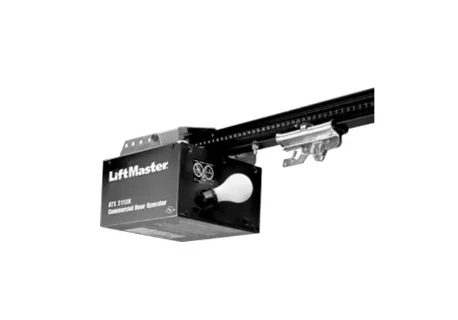

Find your model number first. It is printed on a label on the side or back of the powerhead — the motor unit bolted to the ceiling. You may need a step ladder and a flashlight. On LiftMaster and Chamberlain units it is a 3 to 5 digit number such as 8355 or HD420EV. On Craftsman it starts 139. On Genie and Linear it is a letter-number code such as 3024 or LDCO850.
Pick your brand from the categories above, then your model. Every model page lists the parts that fit it.
Residential Garage Door Opener Replacement Parts
Genuine replacement parts for residential garage door openers — gear kits, sprockets, belts, chains, trolleys, logic boards, capacitors, safety sensors, wall controls and remotes. We stock parts for LiftMaster, Chamberlain, Sears Craftsman, Genie and Linear, including a great many models the manufacturers no longer support.
Most openers are worth repairing. A stripped drive gear is a common failure and the kit is a fraction of the cost of a new unit, so it is worth identifying the fault before replacing the whole opener.
Shop by Brand
- LiftMaster garage door opener parts — chain, belt and screw drive, 8355, 8360, 8550, 81550, 87504 and many more
- Chamberlain garage door opener parts — HD200D, HD420EV, HD800, PD210D, PD612EV, PD752D, WD832KEV, LW2000 and more
- Sears Craftsman garage door opener parts — the 139.xxxxx series, chain and belt drive rail assemblies
- Genie garage door opener parts — Excelerator screw drive, Generation belt drive, AC screw drive, Chainglide
- Linear garage door opener parts — LDCO800, LDCO850, LDCO863B, LSO50, LCO75, LDO33 and more
Which Drive Type Do You Have?
Look at the rail running from the powerhead to the door. The drive type determines which parts fit, and several brands built the same model in more than one version.
| Drive | What you will see | Common wear parts |
|---|---|---|
| Chain | A bicycle-style chain along the rail | Chain, sprocket, gear kit, trolley |
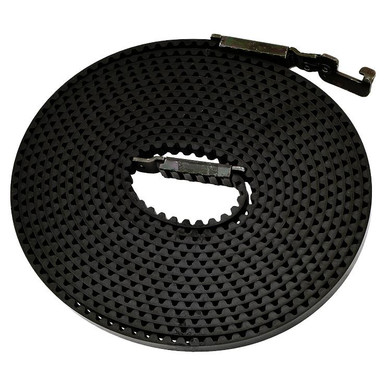
| Belt | A rubber or steel-reinforced belt | Belt, pulley, gear kit, trolley |
| Screw | A threaded steel rod, no chain or belt | Screw rod, carriage, worm gear, coupler |
Common Faults and the Parts That Fix Them
Motor runs but the door does not move
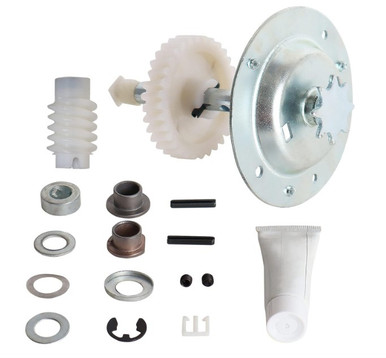
The single most common residential opener failure. The plastic drive gear inside the powerhead strips its teeth and the motor spins freely. You will often hear a grinding noise and find plastic shavings inside the housing. On most LiftMaster and Chamberlain units the fix is the 41A2817 gear kit; on others it is the 41C4220A gear kit or the 41A4885 gear and sprocket. Check your model page to confirm which one fits.
Door reverses immediately after starting to close
Almost always the safety sensors, not the opener. Check that both eyes are aligned and that the indicator lights are steady rather than blinking. Sunlight striking the receiving eye will do it, as will a knocked bracket. If cleaning and realigning does not fix it, the 41A5034 safety sensor kit covers 1997 and later units.
Door stops partway or will not close fully
Start with the travel limits, which are adjustable on the powerhead. If the limits are correct, check the door itself — binding rollers, a broken spring or a bent track will stop the opener long before the opener is at fault. Only then look at the trolley, carriage or rail parts.
Remote works but the wall button does not, or the reverse
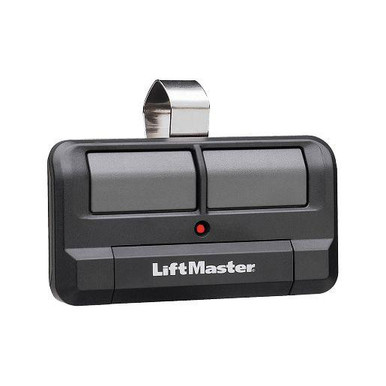
If the wall control is dead but the remote works, it is the wall control or its low-voltage wiring. If the remote is dead but the wall button works, it is the receiver or the remote itself. Both point away from the motor and gears.
Nothing at all, no lights
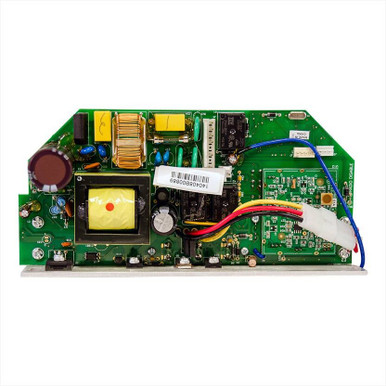
Check the outlet and the breaker first, then the light socket, then the logic board. Board failures are less common than they are blamed for.
None of this replaces a service call on a door with a broken spring or a damaged track. Garage doors are heavy and the springs are under high tension — spring work in particular should be left to a qualified technician.
Questions We Get Asked
Where is my model number?
On a label on the side or back of the powerhead. Not on the wall control and not on the remote. If the label has worn off, send us a photo of the unit and we will identify it.
Are these genuine parts?
Yes, unless a listing says otherwise. LiftMaster, Chamberlain and Craftsman openers were built by the same manufacturer, so many parts are shared across all three brands under different numbers.
My opener is 20 years old. Can I still get parts?
Often yes. Much of what we stock is for units the manufacturer no longer supports. Where a part is genuinely discontinued we will tell you rather than take an order we cannot fill.
Should I repair or replace?
If the fault is a gear kit, belt, chain, sensor or wall control, repair is usually the better value. If the motor or the logic board has failed on a unit past fifteen years old, replacement is often the more sensible option. Call us and we will give you a straight answer either way.
Related Parts
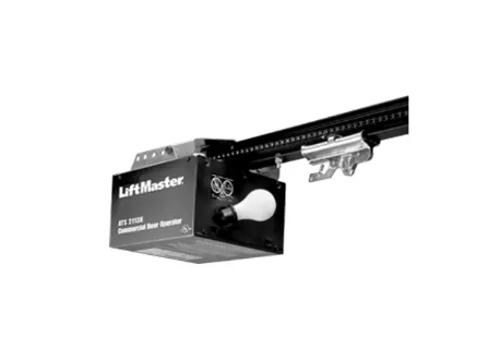
- LiftMaster commercial door operator parts — for jackshaft, hoist and trolley operators
- All replacement parts
Garage Door Opener Parts (Residential)


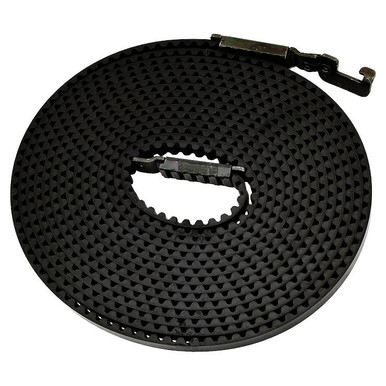

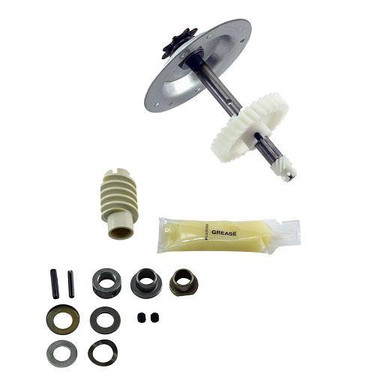
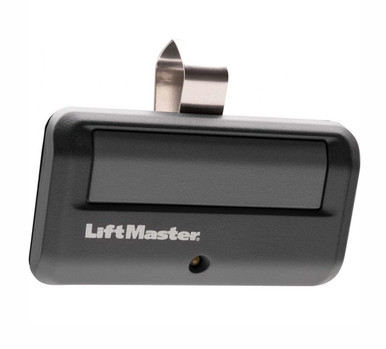


![Liftmaster 25C20 coupler [K025C0020]](https://cdn11.bigcommerce.com/s-32eq2wsbti/products/14717/images/230315/liftmaster-07-25c20-coupler-k025c0020-07-25c20__24293.1789589293.386.513.jpg?c=2)

- Genie 38875R3.S Circuit Board / Series II Wall Console Bundle
- Holmes Adjusta-Matic Kickers AK-1P [NO LONGER AVAILABLE]
- Multi Purpose Spray Lube L6960 (Blue)
- Genie 110635.0001.S Motor, T / J / H, 1PH, MultiVolt, 1/2HP
- US1293 ismartgate Ultimate PRO Gate Kit (720p HD camera, motion and night vision)
- Sectional Door Wheel 7" stem
- Garage door handle
- OES-SD16 16' Sectional Door Edge Kit
- Slide Lock
- Garage door slide lock
- Multi Purpose Spray Lube L6950 (Green)
- Sectional Door Wheel 4" stem